Skip to the elements
Unforged

Layer 2 Overview Page 1 of 5

← Overview

The standards

  • Yes: Chronic stress in entrepreneurs, and the way out of it.
  • Today: A stranger today sees a Scottish coach who travels full time.
  • Next: Your line “strategy problem, state problem” is a message, see 2.3.

  • Not: Not for anyone wanting in and out in under six months.
  • Not: Not for anyone who only wants fitness coaching.
  • Next: Both go in your bio and are used publicly once a quarter.
  • Yes: The signs, the vices, the business that runs on you.
  • Yes: The way out, and the turn: your own collapse of 2025.
  • Not: Travel and life logs become the setting, not a theme.
  • Yes: “It’s never a strategy problem. It’s always a state problem.”
  • Yes: The buyer’s business runs on them because they built it that way.
  • Yes: The buyer cannot do this alone. The way out has three stages.

2.0 of 20, on page 1

2.0 our proposal

One subject a stranger can name after ten posts

  • Yes: Chronic stress in entrepreneurs, and the way out of it.
  • Today: A stranger today sees a Scottish coach who travels full time.
  • Next: Your line “strategy problem, state problem” is a message, see 2.3.
A polished chrome stack of many thin square shims with one plate resting across the top, cut out.

What it is

One phrase saying who your channel is for and what it covers. It passes when two strangers agree on it.

What it is for

Without it, a stranger can say how you live but not what you do. It opens your spoken pieces and is tested in October.

Why

Layer 1 set your lane as chronic stress in entrepreneurs and your work as getting people out of it. The phrase joins the two.

Where it comes from

  • 71 of your 193 captions carry no argument at all.

    Caption classification, 9 September
  • When a caption does argue, it tells business owners that the thing in their way is themselves.

    Caption classification, 9 September

Your call

Confirm the phrase. Your state problem line already sits in 2.3.

2.1 of 20, on page 1

2.1 your words

Who and what this is not for, said out loud

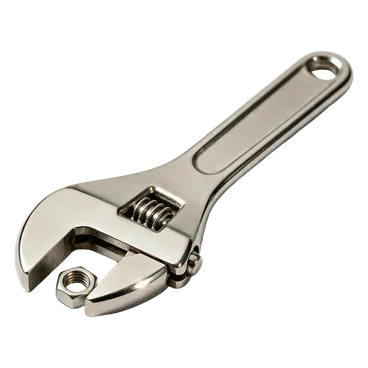
  • Not: Not for anyone wanting in and out in under six months.
  • Not: Not for anyone who only wants fitness coaching.
  • Next: Both go in your bio and are used publicly once a quarter.
A polished chrome adjustable spanner with its jaws opened far wider than the small nut between them, cut out.

What it is

A published refusal of a buyer who has money. It passes when used in public in the last ninety days.

What it is for

Without it, the wrong person arrives. Every piece also says it is for someone already running a business, not starting one.

Why

Both refusals are already published in your own words. You used a refusal with Nicole and with Beth, but neither time reached the feed. So now they are said out loud.

Where it comes from

Maybe it’s your time or maybe it isn’t.

Instagram caption, 28 January 2026
  • Your site’s refusal names a category, not a buyer: “Not therapy. Not life coaching. Not an executive coaching package.”

    rfacoaching.com/about
Cover of your Instagram carousel of 28 January 2026
28 Jan 2026: maybe it’s not your time

Your call

Confirmed on 14 September. Nothing left to decide.

2.2 of 20, on page 1

2.2 our proposal

A fixed number of recurring themes, declared before any post is sorted

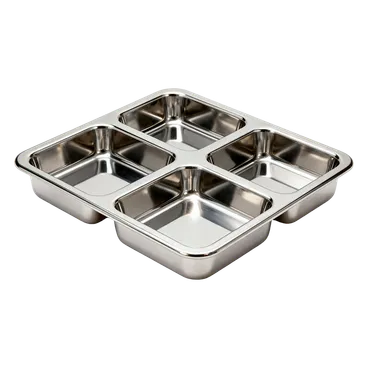
  • Yes: The signs, the vices, the business that runs on you.
  • Yes: The way out, and the turn: your own collapse of 2025.
  • Not: Travel and life logs become the setting, not a theme.
A polished chrome sorting tray with a fixed number of compartments, made before anything is sorted into it

What it is

Three to seven themes, each a pain your buyer feels. It passes when two people sort thirty posts alike.

What it is for

Without a fixed list, your themes are whatever the feed contains. New pieces are planned from it. No theme fills over half the feed.

Why

Sorted afterwards, your feed falls into fifteen labels, and the four you post most score below your median. So the themes come first, taken from Layer 1.

Where it comes from

  • The four labels you publish most make up 55 percent of your feed and score below your median.

    Caption classification, 9 September
  • Your four best performing labels make up 20 percent: relationships, travel, media, founder transparency.

    Caption classification, 9 September

Your call

Remove, merge or add themes until the five are fixed.

Next 2.4 2.3 of 20, on page 1

2.3 your words

The same message, restated with new stories

  • Yes: “It’s never a strategy problem. It’s always a state problem.”
  • Yes: The buyer’s business runs on them because they built it that way.
  • Yes: The buyer cannot do this alone. The way out has three stages.

A polished chrome hand stamp with a blank face, the same mark struck on every surface

What it is

Five claims or fewer, restated with new stories. It passes when one claim returns in exactly the same words.

What it is for

Without it, nothing repeats enough to stick. Your bio, offer page and three of every thirty posts carry the state problem line.

Why

Nothing repeats on your feed, so the claims are fixed before the first new piece. Each comes from your own words, or from Caspar’s matrix line, which you agreed with.

Where it comes from

this isn’t work that you do on your own, this is work that you do with other people

WhatsApp voice note, 8 September
  • No sentence in your 193 captions is said twice.

    Caption classification, 9 September
  • Your three published promises match neither each other nor your bio.

    Caption classification, 9 September

Your call

Confirm the four claims. The state problem line is the one you repeat.